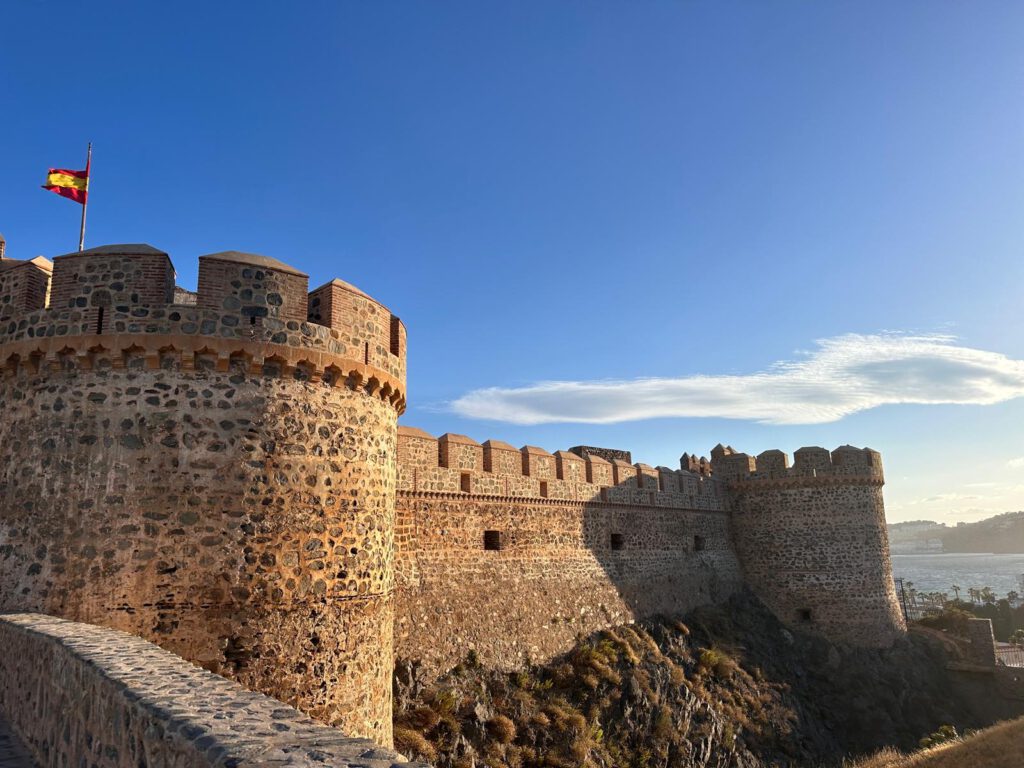
When we first came to Almuñécar, there was one word that caught our attention: Sexi.
We saw it in different places around town and, not knowing any better, assumed it was simply the Spanish spelling of sexy. It seemed a little unusual, but our Spanish wasn’t exactly perfect at the time.
We only discovered later that we were completely wrong. Sexi is actually part of the ancient history of Almuñécar and the reason why people from the town are still called Sexitanos today.
Before Almuñécar was called Almuñécar
The history of Almuñécar stretches back thousands of years.
The Phoenicians settled here during the first millennium BC. Their name for the settlement was written with the consonants SKS (or SKŠ). Phoenician writing did not record vowels in the same way we do today, so the exact pronunciation is uncertain.
In later Greek and Roman sources, the name appears as Sexi. Under Roman rule, the town eventually became known as Firmum Iulium Sexi.
And that ancient name, Sexi, is where the modern words Sexitano and Sexitana come from.
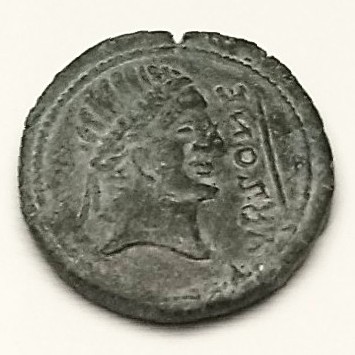
Sexi Coin – Photo: Starnutoditopo / Wikimedia Commons, CC BY-SA 4.0
How did we end up with Almuñécar?
Centuries later, during the Islamic period, the town became known as al-Munakkab. The exact meaning of the Arabic name is debated, although the name is often associated with the hilltop location and fortifications.
Over time, al-Munakkab developed into the name we know today: Almuñécar.
So two very different periods of history can still be heard in the names used today: Almuñécar has roots in the Arabic period, while Sexitano takes us much further back to ancient Sexi.
Sexi was an important Roman town
By Roman times, Sexi had become a prosperous coastal town.
Fish processing was an important industry. Fish was salted and preserved here, and the town was also known for producing garum, the famous fish sauce that was highly valued throughout the Roman world.
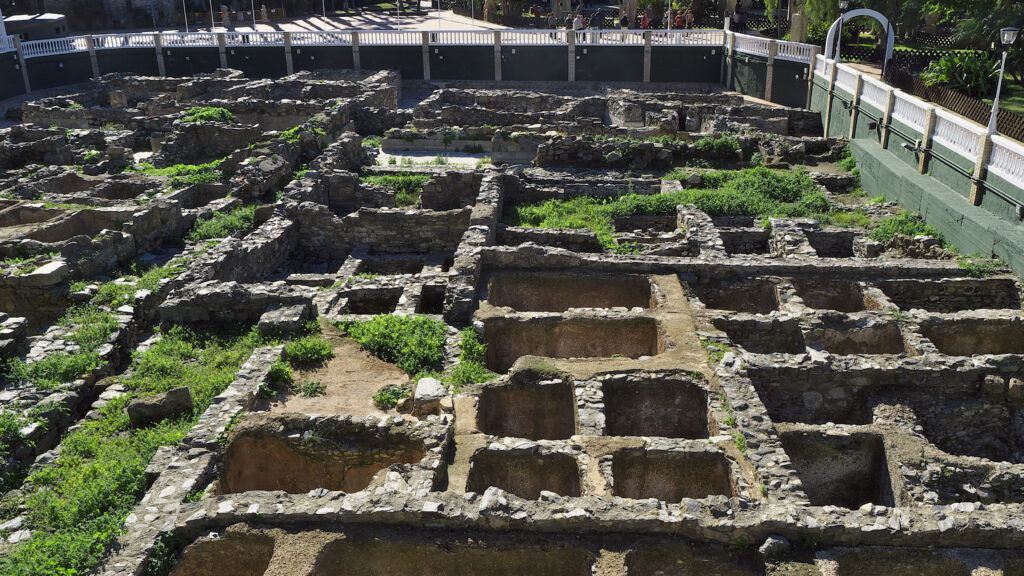
Roman fish-salting factory in El Majuelo – Photo: José Luis Filpo Cabana / Wikimedia Commons, CC BY 3.0
You can still see evidence of this today in El Majuelo Park, close to the old town and San Miguel Castle.
The remains of the ancient fish-salting factory are right in the middle of the park. Large stone basins once used for processing fish can still be seen as you walk through the gardens.
It is quite remarkable to think that an everyday walk through Almuñécar takes you past a place where people were working and trading more than two thousand years ago.
Sexi in Almuñécar today
Although Sexi disappeared as the name of the town, the word was never completely forgotten.
You can still find Sexi around Almuñécar today, in local organisations, events and names such as Loro Sexi.
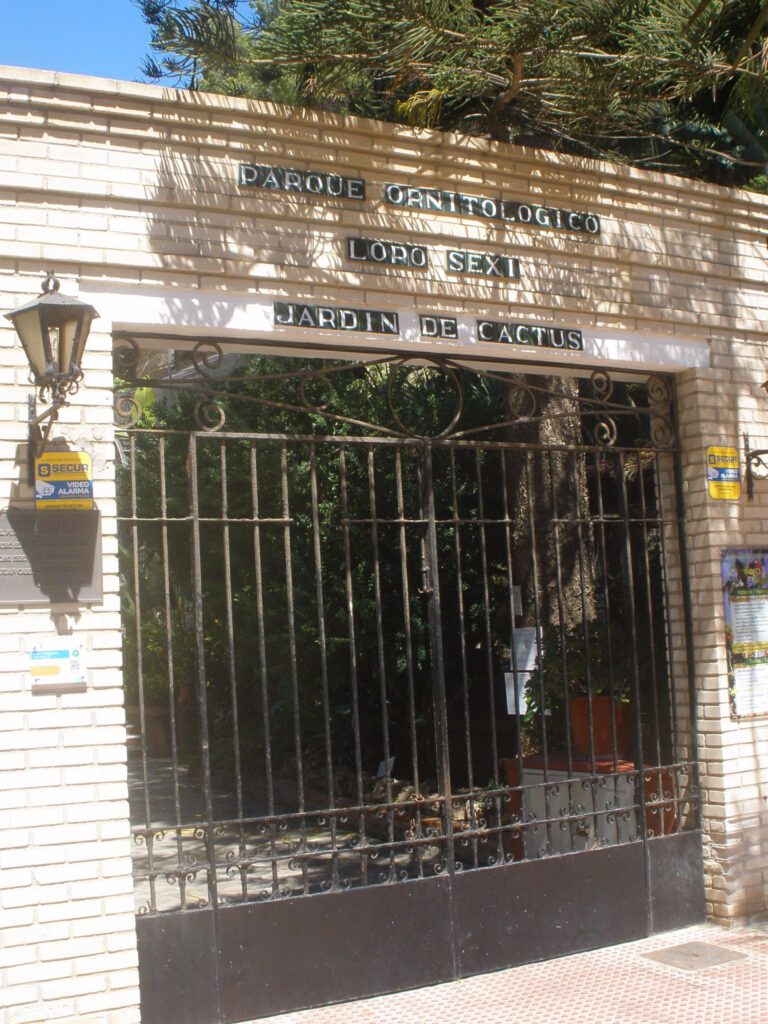
Loro Sexi, Almuñécar – Photo: Zarateman / Wikimedia Commons, CC0
Once you know the story behind the name, you start noticing it in different places around town.
A small piece of Almuñécar’s history
We like little stories like this because they are easy to miss when you are here on holiday.
You can walk through El Majuelo, have a coffee in the old town or spend an afternoon by the sea without ever realising that Almuñécar was once known as Sexi.
But once you know the story, the name Sexitano suddenly makes perfect sense.
So if somebody tells you:
“Soy Sexitano.” you now know exactly what they mean:“I’m from Almuñécar.”
And with those two simple words, a name that goes back more than two thousand years is still being used today.
Would you like to discover more about Almuñécar? Have a look at our other blogs to read more about local life, day trips and ideas for your stay on the Costa Tropical.
Thinking about a holiday in Almuñécar?
Discover Villa Bugambilla and feel free to contact us for availability or more information.